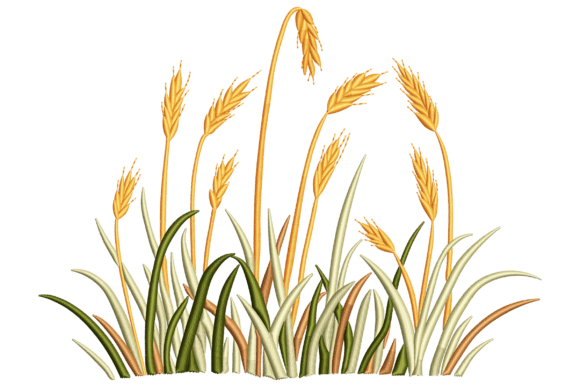
Wheat Grass Embroidery: A Designer’s Review for Small Business Merch
As an embroidery designer who has spent years digitizing and testing files for commercial use, I approach every new machine embroidery design with a critical eye. It is not just about whether the image looks pretty on a screen; it is about how that image translates to fabric, withstands washing, and elevates a brand. Today, I am reviewing Wheat Grass, a design from the Bouquets category, specifically through the lens of small business owners, apparel decorators, and handmade brands looking to expand their product lines.
The product description promises to "transform your fabrics with a touch of flair," positioning this piece as a playful and fanciful accent for t-shirts, towels, and home decor. But does it hold up when applied to branded merchandise? Let us dive into the practical application of this digital embroidery file for real-world business scenarios.
First Impressions: Visual Personality and Brand Fit
Upon initial inspection, Wheat Grass exudes a rustic yet refined charm. The organic lines suggest a connection to nature, making it an ideal candidate for businesses that want to project warmth, authenticity, and approachability. Unlike rigid geometric logos, this design feels handmade and personal. For a florist, a boutique bakery, or an eco-friendly skincare brand, this aesthetic aligns perfectly with a brand identity centered on natural ingredients and artisanal quality.
The "playful and fanciful" descriptor in the product details is accurate. It is not overly formal, which makes it versatile. It can soften the look of a corporate uniform or add a whimsical touch to a child’s garment. However, for high-end luxury brands seeking minimalism, this design might feel too busy. It shines brightest in contexts where storytelling and texture are valued over stark modernity.
Real-World Applications for Small Business Merch
When considering Wheat Grass for your inventory, think beyond the standard t-shirt. Here is how this design performs across various commercial embroidery projects:
- Embroidered Patches: This is perhaps the strongest use case. A wheat grass motif works beautifully as a standalone patch for tote bags or denim jackets. It allows customers to buy a low-cost add-on that enhances the perceived value of their purchase.
- Staff Uniforms and Aprons: For cafés and bakeries, stitching this design onto the chest pocket of an apron creates a cohesive team look. It signals attention to detail and reinforces the establishment’s theme without overwhelming the garment.
- Cap Embroidery: Placing a simplified version of this design on the side or back of a baseball cap offers subtle branding. It is less aggressive than a large front logo and appeals to customers who prefer understated style.
- Tote Bag Design: Canvas totes are a staple for retail shops. Embroidering Wheat Grass on a tote turns a simple bag into a walking advertisement. The texture of the thread against the canvas adds a premium tactile experience that printed graphics cannot match.
- Home Decor and Towels: As mentioned in the description, this design suits home decor. Think of embroidered kitchen towels for a bridal shop or guest amenities for a boutique hotel. It adds a layer of luxury and thoughtfulness.
Technical Considerations and Production Notes
While the aesthetic appeal is strong, successful production requires technical diligence. Before running a full batch of custom apparel, you must evaluate the physical constraints of the design. Since the specific stitch count and file formats are not detailed in the brief description, I strongly advise downloading a sample or checking the vendor’s specifications before committing to large-scale production.
Here are my professional notes for optimizing Wheat Grass:
- Test Stitch Density: Organic designs can sometimes have high stitch density in the leaf or grain areas. Test the design on a scrap piece of fabric similar to your final product. If the fabric puckers, you may need to adjust the tension or use a heavier cut-away stabilizer.
- Fabric Texture Matters: This design will look different on smooth cotton versus textured linen or thick denim. On rougher fabrics like towels, ensure the stitches are dense enough to cover the fabric weave but not so dense that they cause bulk.
- Thread Color Contrast: To maintain visibility, choose thread colors that contrast well with your base fabric. A golden wheat color on a navy blue shirt pops beautifully, while the same color on a beige towel might get lost. Always create a printable mockup to visualize these combinations before stitching.
- Hoop Size Constraints: Confirm the required hoop size. If you are planning to use this on small items like baby onesies or narrow cap straps, ensure the design fits within your smallest hoop without losing detail. If the design is too large, you may need to resize it, which can affect stitch integrity.
- Black and White Test: Run a test in black thread on white fabric. This helps you see the structural integrity of the design without the distraction of color. If it looks messy in monochrome, it will likely look messy in color too.
Enhancing Brand Identity and Customer Trust
In the world of Etsy sellers and handmade brands, perception is reality. Using a high-quality embroidery file like Wheat Grass signals professionalism. Customers associate embroidery with durability and effort. When they see a neatly stitched wheat stalk on a product label or a gift item, it builds trust. It suggests that the business cares about the finished product, not just the quick sale.
Furthermore, consistency is key. If Wheat Grass becomes part of your visual language, use it consistently across your design assets. Use it on packaging inserts, thank-you cards, and social media graphics. This repetition helps customers recognize your brand instantly. It transforms a simple decorative element into a powerful tool for brand recognition.
Where to Use Caution
Not every surface is suitable for this design. Avoid using Wheat Grass on items that undergo extreme abrasion or frequent industrial washing unless you have tested its durability extensively. Delicate outlines may snag or fray over time. Additionally, be cautious with very small patch sizes. If the design is shrunk too much, the fine details of the grass blades may merge into a blob, losing the "fanciful" charm described in the product overview.
Also, consider the licensing. Before selling any small business merch featuring this design, confirm the commercial licensing terms provided by the creator. Ensure you have the right to use the digital embroidery file for physical goods intended for resale. Protecting your business from legal issues is just as important as protecting the quality of your stitch work.
Final Verdict
Wheat Grass is a versatile and charming addition to any embroidery designer’s library. It bridges the gap between decorative art and functional branding. For businesses in the food, floral, or lifestyle sectors, it offers a way to add warmth and personality to their merchandise. By paying attention to technical details like stabilizer choice, thread contrast, and fabric compatibility, you can ensure that every stitched piece reflects the high standards of your brand. Whether used for a subtle apron accent or a bold tote bag feature, this design has the potential to become a signature element of your commercial embroidery portfolio.