Funny Crazy Bird: A Designer’s Review for Small Business Merch
As an embroidery designer who has spent years digitizing and reviewing thousands of patterns, I approach every new machine embroidery design with a critical eye. It is not just about whether the image looks cute on a screen; it is about how that image translates into thread, how it holds up in production, and ultimately, how it serves the brand identity of the business using it. Recently, I had the opportunity to evaluate Funny Crazy Bird, a playful addition to the Birds category that promises to bring charm to various fabrics. For small business owners, Etsy sellers, and apparel decorators, understanding the practical application of such a design is crucial before investing in commercial use.
First Impressions: Visual Personality and Brand Fit
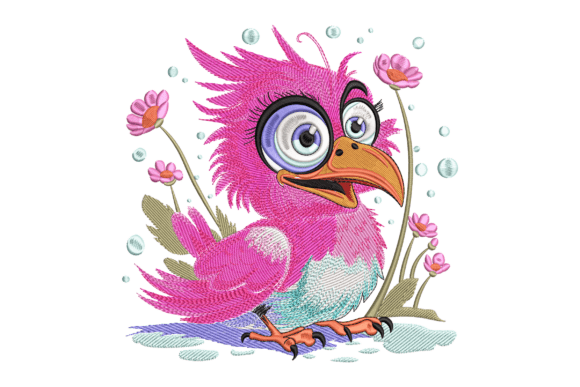
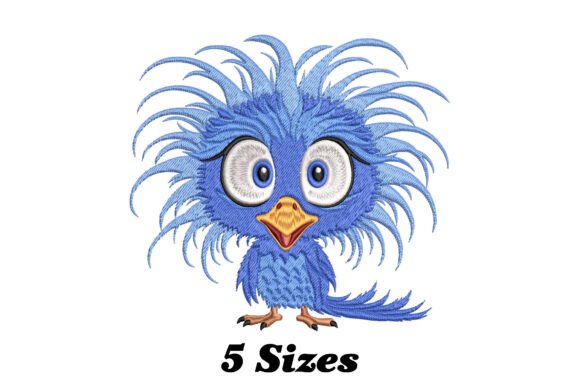
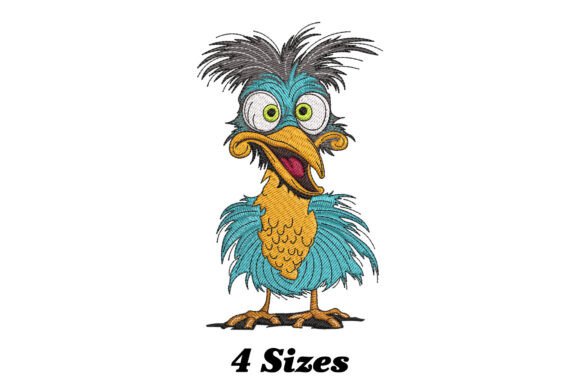
The title Funny Crazy Bird immediately sets a specific tone. We are not looking at a regal eagle or a delicate hummingbird here. The description highlights a "playful" and "whimsical" touch, which suggests a design that leans heavily into personality rather than rigid realism. In my review, this visual personality reads as friendly, bold, and distinctly handmade. It does not try to be premium luxury in the traditional sense; instead, it offers approachable warmth.
For a boutique, creative studio, or local café, this aesthetic can be a powerful tool. Customers today crave connection, and a whimsical bird design on a tote bag or apron signals that the business values fun and creativity. However, for corporate uniforms or high-end luxury retail, this design might feel too casual. The key is alignment. If your brand voice is quirky, community-focused, or artistic, Funny Crazy Bird fits perfectly. If your brand is strictly minimalist or industrial, you may want to look elsewhere.
Real-World Applications for Small Business Merch
When I consider where to place this design, versatility is its strongest asset. The product description notes it is perfect for t-shirts, towels, and home decor. From a production standpoint, here is how I see this working in a commercial embroidery context:
- Embroidered Patches: This is arguably the best use case. A patch allows for controlled density and clean edges. You can create a line of branded patches featuring the bird to sell as add-ons or to sew onto customer garments.
- Apron Embroidery: For bakeries, florists, and craft studios, an apron with a whimsical bird on the chest pocket adds character without overwhelming the uniform. It makes staff appear approachable and fun.
- Tote Bag Design: Canvas bags have a sturdy texture that handles embroidery well. Placing the bird centrally or on the corner creates a memorable small business merch item that customers will actually use.
- Cap Embroidery: While possible, this requires caution. The curved surface of a cap distorts designs. If the bird has intricate details, they may get lost. It works best if simplified for a front-center placement.
Using this design as a sleeve detail on work shirts or as a small accent on product packaging can also enhance buyer engagement. It turns a standard transaction into a memorable experience, reinforcing the handmade product feel even if the item itself is mass-produced.
Technical Considerations and Production Challenges
While the concept is charming, the execution requires technical diligence. As a designer, I always advise checking the specifics of the digital embroidery file before running a full production batch. Since the exact stitch count and file formats are not detailed in the brief description provided, you must verify these details with the seller.
One major concern with whimsical designs is stitch density. If the design is too dense, it can cause puckering, especially on lighter fabrics like t-shirts or thin towels. Conversely, if it is too sparse, the backing fabric might show through, ruining the professional look. I recommend testing the design on scrap fabric identical to your final product. Pay close attention to the thread colors. A "crazy" bird likely uses multiple hues. Ensure there is enough contrast between the threads and the garment color. A dark navy shirt might swallow up dark blue details, so you may need to adjust the palette for different uniform colors.
Another critical factor is the hoop size. Ensure the design fits comfortably within your machine’s hoop without requiring complex re-hooping techniques, which slow down production. For items that undergo frequent washing, such as kitchen towels or staff aprons, the stability of the stitch-out is paramount. Use a high-quality stabilizer—cut-away for stretchy fabrics and tear-away for woven materials—to ensure the design remains intact after multiple wash cycles.
Impact on Brand Identity and Customer Trust
Consistency is the cornerstone of brand recognition. If Funny Crazy Bird becomes part of your visual language, it needs to coexist with your other design assets. Does it clash with your logo? Does it complement your color scheme? When used correctly, such a distinctive motif can become a signature element. Think of it as a visual handshake; it tells the customer, "We don’t take ourselves too seriously, but we care about quality."
This approach builds trust through transparency and personality. In the world of custom apparel and handmade goods, buyers are often looking for a story. A whimsical bird embroidered on a package insert or a thank-you card adds that human touch. It elevates the perceived value of the finished product, making it feel less like a commodity and more like a curated gift.
Practical Designer Notes for Implementation
Before you commit to a large order, follow these steps to ensure success:
- Test in Black and White: Convert the design to monochrome in your software. If the shape loses its definition without color, the design relies too heavily on shading rather than structure. A strong outline is essential for readability at small sizes.
- Check Small Patch Sizes: Scale the design down to one inch. Can you still identify it as a bird? If details merge into a blob, simplify the design or reserve it for larger applications like tote bags.
- Create a Printable Mockup: Use digital tools to visualize the bird on different products. Show this mockup to clients or stakeholders for approval before stitching a single thread. This saves time and material costs.
- Confirm Commercial Licensing: Never assume a file is free for commercial use. Read the license terms carefully. Ensure you have the right to use Funny Crazy Bird on items you intend to sell.
- Inspect Fabric Texture: Test the design on terrycloth (towels) versus smooth cotton (shirts). The texture affects how the stitches sit. You may need to adjust tension or stabilizer type based on the material.
In conclusion, Funny Crazy Bird is a viable option for businesses looking to inject personality into their merchandise. It is not a one-size-fits-all solution, but for the right brand—those valuing whimsy, charm, and a handmade aesthetic—it can be a standout element. By paying attention to technical details like stabilizer choice, thread contrast, and hoop size, you can transform this playful design into a professional asset that drives customer engagement and strengthens your brand identity. Always prioritize testing and verification to ensure your commercial embroidery projects meet the high standards your customers expect.