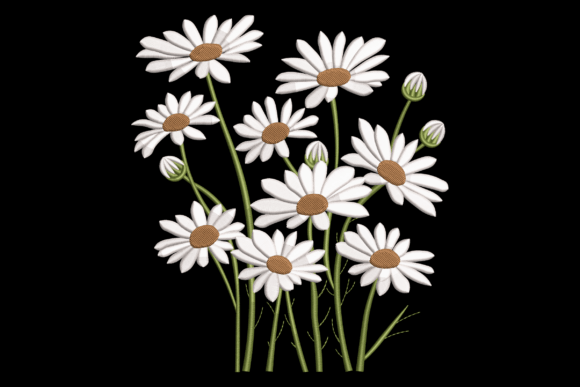
Review: Daisy Wildflower Bouquet for Real Projects
As a designer who has spent countless hours digitizing and stitching out thousands of patterns, I approach every new machine embroidery design with a mix of curiosity and caution. We have all been there: you see a beautiful preview image, purchase the file, and then realize it does not translate well to actual fabric. That is why I took a close look at the Daisy Wildflower Bouquet. This is not just about whether it looks pretty on a screen; it is about how it performs when the needle hits the cloth.
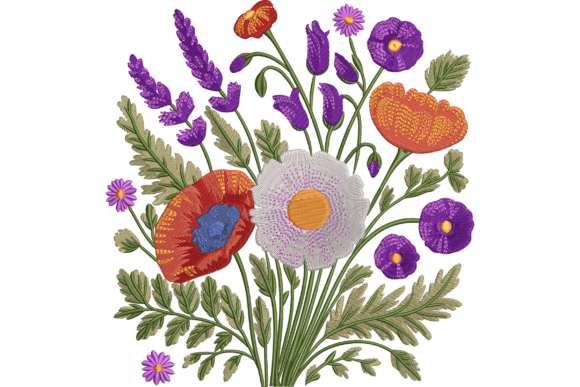
The first impression of this design is one of effortless charm. It captures that loose, organic feel of a hand-picked meadow arrangement rather than a rigid, formal floral display. For those of us in the craft business, this distinction matters. Customers are increasingly drawn to items that feel authentic and handmade, rather than mass-produced. The layout of the Daisy Wildflower Bouquet suggests a natural flow, which makes it an excellent candidate for projects where you want to convey warmth and approachability.
Real-World Application: The Tote Bag Test
To truly evaluate an embroidery file, you have to imagine it on a specific product. I visualized this design on a heavy canvas tote bag, a staple for any Etsy seller or small shop owner. The bouquet’s shape is compact enough to sit neatly on the front panel without overwhelming the bag’s structure, yet detailed enough to serve as the focal point.
When considering custom apparel, such as sweatshirt embroidery, the design’s balance becomes even more critical. A bulky hoodie needs a design that breathes. The Daisy Wildflower Bouquet appears to have sufficient negative space between the stems and petals. This is vital because too much density can cause the fabric to pucker, especially on softer materials like fleece or cotton blends. If you are creating personalized gifts or boutique merchandise, this level of visual clarity ensures the finished product looks professional, not cluttered.
Fabric and Stitch Considerations
Let us talk about the technical side. While I do not have the exact stitch count or file specifications in front of me, I can infer some requirements based on the visual complexity. Designs with floral elements often rely on a mix of satin stitch for outlines and fill stitch for larger petal areas. You must check the stitch density before running this on delicate fabrics.
If you plan to use this on thin fabric, such as a baby onesie or a lightweight tea towel, a proper stabilizer is non-negotiable. I recommend testing the design on scrap fabric first. Try both cut-away and tear-away stabilizers to see which provides better support without adding unnecessary stiffness. For textured fabrics like linen or denim, the design should hold up well, but you may need to adjust your thread tension. Dark fabrics require careful planning of thread colors. Ensure there is enough contrast so the details of the daisies do not get lost in the background.
Versatility Across Product Lines
One of the strongest assets of the Daisy Wildflower Bouquet is its versatility. It is not limited to just one type of item. Here is how it might perform across different categories:
- Home Decor: Imagine this stitched onto a pillow cover or a kitchen apron. It adds a touch of rustic elegance that fits perfectly with farmhouse or cottage-core aesthetics.
- Baby Items: For baby embroidery, the soft, rounded shapes of daisies are appealing and safe. However, always ensure the stitch density is appropriate for sensitive skin and that no loose threads remain.
- Accessories: An embroidered patch featuring this bouquet could be a bestseller. Patches allow customers to add personality to jackets or bags without committing to permanent embroidery on the garment itself.
- Holiday and Seasonal Gifts: Spring and summer are obvious seasons, but do not overlook its potential for Mother’s Day or wedding gifts. The timeless nature of wildflowers makes it suitable for year-round sales.
Design Pitfalls to Avoid
Even a great design has its limitations. You should use caution when placing the Daisy Wildflower Bouquet on curved surfaces like caps. The hoop size required for the full bouquet might be too large for standard cap frames, or the curvature could distort the image. If you attempt this, consider scaling down the design or using a specialized cap frame.
Additionally, be mindful of small details. If the design includes tiny leaves or intricate centers, verify that they will stitch out cleanly on your specific machine. Running a test on black and white mockups can help you identify areas where detail might be lost. If you are selling digital products or printable mockups, ensure your previews accurately represent the scale and detail of the final stitched item to maintain customer trust.
Commercial Use and Branding
For commercial embroidery projects, consistency is key. If you are building a brand around handmade products, this design can help establish a cohesive look. It feels artisanal and thoughtful, which enhances perceived value. When customers see a well-executed finished product, they are more likely to engage with your brand and return for future purchases.
However, before you list items on Etsy or at craft fairs, you must confirm the licensing terms. Does the purchase of this digital embroidery file allow for commercial use of the physical items? Most designers allow you to sell the physical embroidered goods, but restrictions may apply to sharing the file itself. Always read the license agreement carefully to protect your business.
Final Verdict for Makers
The Daisy Wildflower Bouquet is a strong contender for your design library. It offers a blend of artistic detail and practical applicability that suits a wide range of projects. From custom apparel to home decor, it brings a sense of natural beauty that resonates with modern buyers.
Remember, the success of any embroidery project depends on execution. Take the time to test thread colors, choose the right stabilizer, and hoop your fabric correctly. Treat this design as a tool to enhance your creativity, not just a file to run. By understanding its strengths and limitations, you can create stunning pieces that stand out in a crowded market. Whether you are a hobbyist making gifts for friends or an entrepreneur building a small shop product line, this bouquet has the potential to transform ordinary fabrics into something special.