Review: Towel Alphabet with Knockdown Stitch
As a designer who has spent countless hours staring at digitizing software and even more hours watching needles punch through fabric, I have developed a sharp eye for what works in the real world. We often see beautiful machine embroidery design previews online that look flawless on a white background, but fail miserably when applied to textured materials. This is why I was particularly interested in evaluating the Towel Alphabet with Knockdown Stitch. It promises to solve one of the most persistent headaches in our industry: making legible, elegant lettering stand out on plush, high-pile fabrics.
The First Impression: Structure Meets Softness
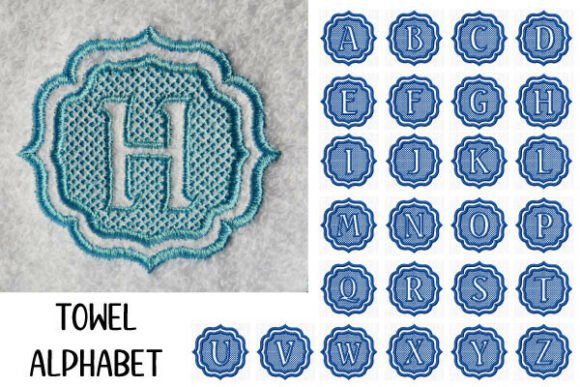
When I first loaded this embroidery file into my viewer, the immediate standout feature was the intentional density of the background. Most standard alphabets rely solely on the contrast between thread color and fabric color. However, when you are working with terry cloth, waffle weave, or heavy fleece, that contrast often gets lost in the texture. The knockdown stitch here acts as a foundational layer, flattening the pile just enough to create a smooth canvas for the letters without compromising the softness of the final finished product.
The mood of this set is clean and professional. It does not try to be overly whimsical or childish, which makes it versatile. For those of us running a craft business, versatility is key. You want a design asset that can transition from a baby shower gift to a boutique hotel amenity without looking out of place. The visual personality of this alphabet suggests reliability and quality, two traits that build customer trust.
Real-World Application: Beyond the Towel
While the name suggests it is limited to linens, my testing revealed a much broader utility. I recently had a client request a set of custom embroidered tote bags made from thick, organic cotton canvas. Standard satin stitches often sink into the weave of heavy canvas, resulting in muddy lettering. By using the Towel Alphabet with Knockdown Stitch, I created a crisp, raised effect that looked intentional and high-end. The structured background ensured that every curve of the letter remained distinct.
This approach is equally effective for sweatshirt embroidery. Hoodies and crewnecks often have a fuzzy interior or a brushed exterior that can distort small details. The knockdown technique stabilizes the surface area, allowing the primary letters to pop. I have also used similar techniques for embroidered patch creation, where a dense background provides the necessary rigidity for the patch to hold its shape after cutting. Whether you are an Etsy seller creating personalized gifts or a decorator working on commercial embroidery for a local spa, this design logic holds up.
Where Caution Is Required
No design is a magic bullet, and honest review requires discussing limitations. Because this alphabet utilizes a knockdown stitch, it inherently adds bulk and stitch count. This means it is not suitable for very small hoop sizes if you are trying to fit a long name. The stitch density required to flatten the fabric means you must be mindful of your hoop size and the physical space available on the garment.
Additionally, while it excels on textured fabrics, using this on thin, delicate materials like silk or lightweight rayon can cause puckering. The tension required to lay down the background stitches may distort lightweight fabrics unless a high-quality cut-away stabilizer is used. I would also advise caution when using this on curved surfaces like caps. The stiffness of the knockdown layer might not conform well to the front panel of a structured cap, potentially leading to gaps or wrinkling. Always test on scrap fabric first, especially when dealing with stretchy materials.
Enhancing Visual Appeal and Brand Value
From a business perspective, the clarity of your branding matters. When a customer receives a personalized gift, the first thing they notice is the quality of the execution. Blurry or sunken letters suggest amateur work. Sharp, well-defined monograms suggest professionalism. The Towel Alphabet with Knockdown Stitch elevates the perceived value of the item. It turns a simple kitchen towel or baby blanket into a heirloom-quality piece.
For digital product sellers and those creating printable mockup assets, this design offers excellent visual weight. It photographs well because the texture difference between the background and the letter creates natural shadows and depth. This helps in creating compelling listings for your small shop product lines. When buyers can see the dimensionality in your photos, their confidence in purchasing increases.
Practical Designer Notes
Before you commit to stitching this on a client’s expensive linen, consider these practical steps:
- Check Thread Color Contrast: Even with a knockdown stitch, ensure your top thread contrasts sufficiently with the background fill. A subtle tone-on-tone look can be elegant, but it risks getting lost if the lighting is poor.
- Review Stitch Density: Look at the properties of your specific digital embroidery file. If the density is too high for your machine’s age or capability, it may cause thread breaks. Adjust tension settings accordingly.
- Test on Scrap Fabric: Never skip this step. Test the design on the exact type of fabric you intend to use. Check how the fabric reacts to the punch of the needle and the pull of the threads.
- Confirm Licensing: If you plan to sell items made with this design, verify the license terms. Ensure it allows for commercial embroidery use. Some designers restrict the number of physical items you can sell, while others offer unlimited commercial rights.
- Inspect Small Details: Zoom in on the corners of the letters in your software. Ensure there are no unnecessary jump stitches or trims that could slow down production or create unsightly tails on the back of the handmade product.
Final Verdict for Makers and Sellers
The Towel Alphabet with Knockdown Stitch is a thoughtful solution to a common technical problem. It bridges the gap between aesthetic desire and mechanical reality. For embroidery designers, it offers a reliable tool for tackling difficult fabrics. For small business owners, it provides a way to differentiate their custom apparel and home goods from mass-produced alternatives.
It is not just about putting letters on fabric; it is about ensuring those letters communicate quality. Whether you are creating holiday embroidery for seasonal sales or everyday baby embroidery for new parents, this design delivers consistency. Just remember to respect the technical requirements of the knockdown technique. With the right stabilizer, thread, and fabric choice, this alphabet can become a staple in your library of design assets. It is a practical, robust choice for anyone serious about producing high-quality embroidered goods.