Reviewing the Japanese Crane Bird for Real Embroidery Projects
As a designer who has spent countless hours staring at digitized files and watching needles punch through fabric, I have learned that not every machine embroidery design is created equal. Some look stunning on a screen but fall apart under the tension of the hoop. Others are so dense they turn soft cotton into cardboard. When I first loaded the Japanese Crane Bird file into my software, I wasn’t just looking for pretty lines; I was looking for viability. I wanted to know if this design could hold its own in a real-world embroidery project, from a high-end boutique sweatshirt to a durable kitchen towel.
First Impressions: Mood and Visual Personality
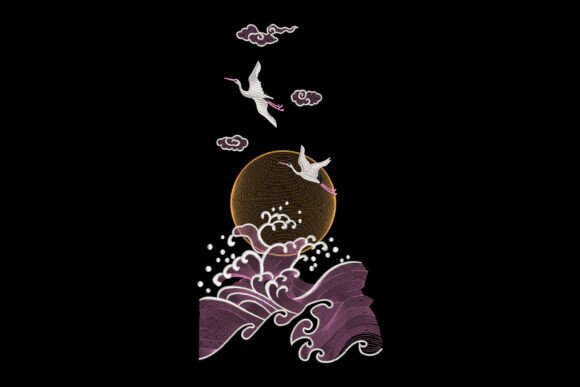
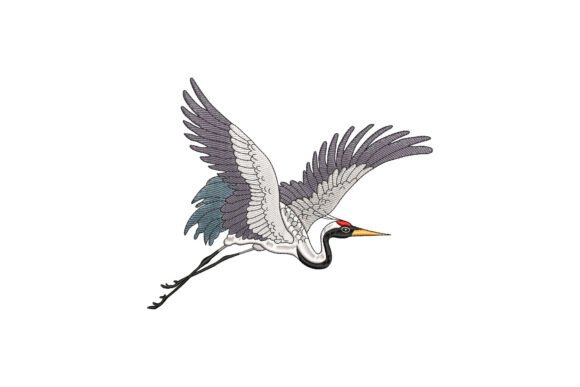
The immediate impression of the Japanese Crane Bird is one of graceful minimalism mixed with traditional charm. Cranes are iconic symbols in art, representing longevity and good fortune, and this design captures that essence without becoming overly cluttered. The layout feels balanced, with a natural flow that guides the eye across the wings and body. It avoids the common pitfall of many bird designs, which often suffer from chaotic feather detailing that creates thread breaks and messy backs.
Instead, this design leans into a cleaner aesthetic. It suggests movement rather than forcing it through excessive satin stitch work. For a crafter or Etsy seller, this is crucial. A design that is too busy can look cheap if the stitching isn’t perfect, but a design with intentional negative space and clear lines looks professional even with minor tension adjustments. The whimsy mentioned in the product description is present, but it is restrained, making it versatile enough for both playful baby items and sophisticated home decor.
Real-World Application: From Totes to Towels
To truly test a design, you have to imagine it on actual products. I mentally placed the Japanese Crane Bird on several items to gauge its fit. First, I considered a canvas tote bag design. The crane’s elongated neck and wing spread would look striking against the textured weave of heavy cotton. Here, the design needs to be large enough to show detail but not so large that it distorts the bag’s structure. Using a sturdy stabilizer would be non-negotiable to prevent puckering.
Next, I visualized it as sweatshirt embroidery. This is a popular category for small business owners. The crane’s silhouette works well on the left chest or as a larger back piece. However, because fleece and jersey knits are stretchy, the digitizing must account for fabric pull. If the fill stitch areas are too dense, the garment will feel stiff and uncomfortable. In this case, the design’s apparent openness suggests it would breathe well on thicker fabrics, maintaining the softness customers expect from premium apparel.
I also considered holiday embroidery and gift items. A crane motif fits beautifully on linen tea towels or pillow covers. For these home decor items, the contrast between the thread and the fabric is key. A metallic gold or deep red thread on white linen would elevate the finished product from a simple craft to a boutique-quality item. This versatility makes it a strong candidate for commercial embroidery where you need one asset to serve multiple product lines.
Technical Considerations and Stitch Behavior
While the visual appeal is strong, the technical execution determines whether the project succeeds. When reviewing any digital embroidery file, I always check for potential trouble spots. In the Japanese Crane Bird, the tips of the wings and the beak are critical areas. These fine details require precise tension control. If you are using a running stitch for outlines, ensure your machine is calibrated correctly to avoid looping.
Another factor is thread colors. This design likely relies on subtle shading or bold contrasts depending on your choice. I recommend testing the design in black and white mockups first. If the details disappear in grayscale, the contrast in color might not be sufficient for distant viewing. For applique design enthusiasts, check if the file includes placement stitches. If not, you may need to manually add them to ensure precise fabric positioning.
Stitch density is another major concern. High density looks rich but can cause fabric distortion, especially on thin materials like silk or lightweight cotton. If you plan to use this on delicate fabrics, consider resizing the design slightly larger to reduce the stitches per inch, or use a cut-away stabilizer for maximum support. Always test on scrap fabric first. Never run a new design directly on your final customer garment.
Where to Use Caution
Not every surface is friendly to this type of imagery. While the Japanese Crane Bird is versatile, it requires careful handling on curved surfaces like caps. The curvature of a cap can distort long, linear elements like the crane’s neck. If you attempt this, use a stiff buckram stabilizer and keep the design size moderate. Similarly, avoid placing it on highly textured fabrics like thick terry cloth unless the design is simplified or enlarged significantly, as the loops of the towel can swallow fine stitch density details.
Dark fabrics present another challenge. If the design uses light threads, you must ensure there are no gaps in the fill that reveal the dark background underneath, unless that is an intentional artistic choice. Underlay stitches are vital here to create a smooth base. For baby embroidery, ensure that no small, loose threads remain after trimming, as safety is paramount. Check the back of the embroidery for any jump stitches that could irritate sensitive skin.
Enhancing Brand Value and Customer Trust
For craft business owners, the quality of your design assets directly impacts your brand perception. A clean, well-stitched crane signals professionalism. It tells the customer that you care about durability and aesthetics. When creating printable mockup previews for your online shop, ensure the lighting highlights the texture of the stitches. This helps buyers visualize the tactile quality of the handmade product.
Using a recognizable symbol like a crane can also aid in brand consistency if it aligns with your shop’s theme. Whether you are selling personalized gift items or standard inventory, the emotional resonance of the crane—symbolizing peace and grace—adds intangible value. Customers are not just buying a stitched bird; they are buying the sentiment it carries. This emotional connection can drive higher engagement and repeat purchases.
Final Designer Notes
Before you commit to a production run, take these practical steps. First, verify the hoop size requirements. Ensure the design fits comfortably within your machine’s maximum area with room for stabilization. Second, confirm the licensing terms. While many files allow for commercial use of finished items, some restrict the resale of the embroidery file itself. Always read the license agreement provided by the creator.
Finally, experiment with different fabric texture combinations. Try the Japanese Crane Bird on denim, linen, and cotton blends to see how the thread sheen interacts with each material. Keep notes on which needle types and stabilizers yielded the best results. This data will become invaluable as you scale your small shop product line. By treating this design with the respect and technical scrutiny it deserves, you can transform a simple digital file into a standout element of your creative portfolio.