Anchor, Compass, and Rudder: A Designer’s Review
As an embroidery designer who has spent countless weekends behind a craft fair booth, I know that the difference between a browsing customer and a buying customer often comes down to visual impact. When I first loaded the Anchor, Compass, and Rudder machine embroidery design into my software, I was looking for more than just cute imagery. I was looking for a craft fair product that could carry a booth. This nautical trio offers a specific kind of whimsy charm that bridges the gap between traditional maritime aesthetics and modern handmade appeal. For those of us running small shops or Etsy stores, finding a design that translates well across various fabrics is gold.
First Impressions and Visual Appeal
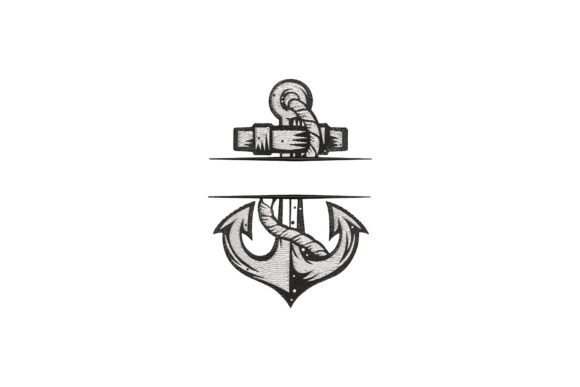
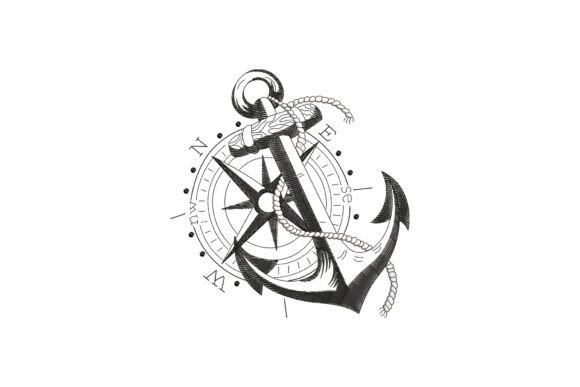
The immediate impression of Anchor, Compass, and Rudder is one of balanced nostalgia. It does not scream "tourist shop"; instead, it whispers "coastal home." The combination of these three iconic symbols creates a narrative of adventure and stability. From a design perspective, this works exceptionally well for the Beach category because it avoids cliché seashells in favor of navigational tools. This subtle shift makes the embroidery file feel more premium and less generic.
When evaluating this for a weekend display, I consider how it reads from three feet away. The distinct shapes of the anchor and rudder provide strong silhouettes, while the compass adds intricate detail. This balance ensures that the design remains legible even when stitched on smaller items. It feels decorative yet minimal enough to fit into a modern farmhouse or coastal chic aesthetic. For boutique makers, this versatility is crucial. You are not limited to one specific decor style, which expands your potential customer base significantly.
Product Versatility for Handmade Sellers
The true test of any digital embroidery file is its adaptability. Here is how Anchor, Compass, and Rudder performs across common handmade products:
- Tote Bag Design: This is perhaps the strongest application. A large hoop placement on a canvas tote allows the details of the compass to shine. It turns a simple bag into a statement piece for beach days or grocery runs.
- Apron Embroidery: Placing this design on the bib of a linen apron creates an instant bestseller. It appeals to home cooks who love hosting seaside dinners. The whimsy charm mentioned in the description really comes alive here.
- Tea Towel Embroidery: Kitchen textiles are high-volume sellers at fairs. Stitching this on flour sack towels requires careful attention to fabric texture, but the result is a giftable item that feels personal and high-quality.
- Embroidered Patch: If you create iron-on or sew-on patches, this design is ideal. The bold lines of the anchor and rudder hold up well even when scaled down, making it a perfect small shop product for customizing denim jackets.
- Pillow Covers and Home Decor: For larger home decor items, the design acts as a focal point. It pairs beautifully with neutral linens or navy blues, enhancing the perceived value of the finished product.
For Etsy sellers, this versatility means you can create multiple listings from a single purchase. You can market the same design assets to different niches: parents buying for nursery decor, bridesmaids looking for bachelorette gifts, or homeowners refreshing their summer decor.
Production Practicality and Batch Selling
From a production standpoint, time is money. When preparing for a craft fair, I need designs that are reliable. Anchor, Compass, and Rudder appears to be structured for efficiency. However, there are critical technical considerations every embroiderer must address before committing to batch production.
First, consider the stitch density. Nautical designs often feature solid fills for the anchor and rudder. If the density is too high, it can cause puckering, especially on lighter fabrics like t-shirts or tea towels. Always use the appropriate stabilizer. For stretchy knits, a cut-away stabilizer is non-negotiable to maintain the integrity of the design. For woven towels, a tear-away might suffice, but test it first to ensure the stitches do not pull the fabric threads.
Second, think about thread colors. This design likely relies on contrast. A classic navy and white combination is safe, but don’t be afraid to experiment. Coral or sage green threads can modernize the look, appealing to younger demographics. However, avoid using thread colors that blend too much with the fabric, or the intricate details of the compass will get lost.
Technical Challenges and Careful-Use Notes
While this design is charming, it is not without its challenges. Here are specific areas where things can go wrong if you are not careful:
- Small Lettering and Details: If the design includes any text within the compass or tiny directional markers, these can become muddy if stitched too small. Always check the minimum recommended size in your embroidery software.
- Curved Surfaces: Stitching on caps is tricky. The rigid structure of a cap front can distort circular elements like the compass. Ensure you are using a cap frame and testing on scrap fabric before producing inventory.
- Dark Fabric: If stitching on navy or black fabric, ensure your thread has enough sheen or brightness to stand out. Matte threads may disappear into dark backgrounds, reducing the visual impact of the finished product.
- Textured Towels: Waffle weave or thick terry cloth can swallow small stitches. For these fabrics, consider increasing the stitch length slightly or choosing a simpler version of the design if available.
It is vital to note that I do not have the exact stitch count, file format, or hoop size specifications from the provided description. Therefore, I strongly advise readers to check those details in the actual download package before starting production. Confirming commercial licensing is also essential before selling any items made with this digital embroidery file.
Boosting Brand Consistency and Buyer Engagement
Using a cohesive design like Anchor, Compass, and Rudder helps build brand consistency. If your shop specializes in coastal or travel-themed goods, this design becomes a signature element. Customers begin to recognize your style. Furthermore, this design photographs beautifully for online listings. The geometric nature of the compass and the organic curves of the anchor create visual interest that pops in a printable mockup or a live photo.
For booth displays, having a variety of items featuring the same design creates a "collection" feel. A customer might come in for a towel but leave with a matching tote and patch because they see the thematic link. This increases the average order value and enhances buyer engagement. The whimsy charm invites customers to touch and inspect the stitching, giving you an opportunity to talk about the quality of your work.
Final Designer Recommendations
Before you launch this design into your store, follow these steps to ensure success:
- Test on Scrap Fabric: Never skip this step. Check for thread breaks and tension issues.
- Review Spacing: Ensure the elements are not too close together, which can cause thread buildup.
- Confirm Hoop Size: Make sure your machine can accommodate the required hoop size for the intended product.
- Create Real Mockups: Photograph the actual stitched item rather than relying solely on digital previews. Real texture sells.
- Compare Fabric Colors: See how the design looks on cream, white, navy, and striped fabrics to offer variety.
In conclusion, Anchor, Compass, and Rudder is a strong contender for any embroidery business owner looking to expand their nautical collection. It balances aesthetic appeal with practical application, making it a reliable choice for both commercial embroidery projects and personal handmade gifts. With careful attention to stabilizer choice and thread contrast, this design can become a staple in your product lineup, driving sales at craft fairs and online alike.