Snow Leopard Embroidery Review for Boutique Apparel
As an embroidery designer who spends countless hours digitizing and testing files for client collections, I have learned that the right design can elevate a blank garment into a high-demand boutique item. Recently, while curating assets for an upcoming winter capsule collection, I came across Snow Leopard on Creative Fabrica. This piece falls under the Wild Animals category, but its application extends far beyond simple novelty wear. For those of us running small clothing brands or Etsy shops, finding a machine embroidery design that balances visual impact with technical reliability is crucial. Here is my professional assessment of how this design performs in real-world apparel scenarios.
Visual Personality and Design Aesthetic
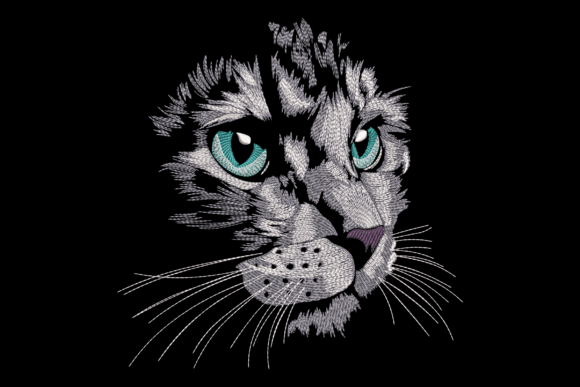
The first impression of the Snow Leopard design is one of refined elegance rather than aggressive wildness. The description promises to give your fabrics a stylish update, and it delivers on that front by offering a vibrant and imaginative flair. Unlike some animal motifs that can appear cartoonish or overly dense, this design feels curated. It possesses a decorative strength that works well for both casual and slightly more upscale boutique merchandise.
The mood of the stitching appears versatile. It does not scream "rustic" nor does it feel strictly "minimal." Instead, it sits comfortably in the trendy, contemporary space that appeals to modern consumers. For a boutique brand, this means the design can bridge the gap between playful and premium. When I visualize this on a neutral sweatshirt, the contrast creates a focal point that draws the eye without overwhelming the garment’s silhouette. This balance is essential for maintaining a cohesive brand identity where every finished product feels intentional and high-quality.
Strategic Placement for Sweatshirts and Hoodies
When planning a sweatshirt embroidery project, placement is everything. The Snow Leopard design offers several opportunities for creative positioning. For a classic look, a left-chest placement on a heavyweight hoodie creates a subtle, branded feel. This is ideal for customers who prefer understated luxury. However, given the detailed nature of the design, it also shines as a larger back piece on oversized garments. The expansive canvas of a sweatshirt back allows the stitch density to breathe, preventing the fabric from puckering while showcasing the intricate details of the leopard’s features.
I also considered sleeve accents. A smaller version of this design on the upper sleeve of a pastel hoodie adds a unique touch that differentiates your custom apparel from mass-produced retail items. For denim jackets, the sturdy fabric supports heavier stitching, making it an excellent candidate for a bold statement piece. The key here is to match the scale of the embroidery file to the surface area. Always check the hoop size requirements before committing to a large back print to ensure your machine can handle the dimensions without re-hooping.
Fabric Considerations and Technical Execution
Working with stretchy fabric like fleece or ribbed knit requires careful attention to stabilizer choice. The Snow Leopard design, with its potential for detailed stitching, needs proper support to prevent distortion. I recommend using a cut-away stabilizer for sweatshirts and hoodies to ensure longevity through wash cycles. For t-shirt embroidery, where the fabric is lighter, a tear-away might suffice if the stitch density is moderate, but always test on scrap fabric first.
Fabric texture plays a significant role in the final outcome. On smooth cotton blends, the thread colors will pop with clarity. On textured fleece, you may need to adjust thread tension or choose slightly thicker threads to maintain visibility. Dark garments present another challenge; ensuring high contrast between the thread colors and the fabric is vital for the design to stand out. If you are using this on black or navy apparel, verify that the digital embroidery file includes light or metallic thread suggestions to enhance visibility.
Curved surfaces, such as the shoulder or side seams of a tote bag, require extra caution. The design should be centered on flat areas to avoid stretching or wrinkling during the embroidery process. For tote bags, which often carry heavier loads, ensuring the stitching does not compromise the structural integrity of the fabric is paramount. A well-executed Snow Leopard motif on a canvas tote can become a signature handmade product that customers recognize instantly.
Enhancing Brand Value and Customer Engagement
Incorporating a distinctive design like Snow Leopard into your small shop product line can significantly boost buyer trust. When customers see consistent, high-quality stitching, they perceive higher value. This perception allows for better pricing strategies and improved profit margins. Moreover, unique designs contribute to product recognition. If a customer sees someone wearing your hoodie with this specific leopard design, they may associate it with your boutique brand, driving organic social media graphics and word-of-mouth marketing.
For Etsy sellers, the visual appeal of the design translates well into printable mockups. High-resolution images of the embroidered design on lifestyle backgrounds can increase click-through rates. The imaginative flair mentioned in the product description helps create compelling social media content, showcasing the versatility of the design across different seasons and outfits. Whether it is part of a cozy winter collection or a spring transition piece, the design maintains its relevance.
Practical Notes for Commercial Embroidery
Before launching any commercial embroidery products, there are critical steps to take. First, always review the licensing terms on Creative Fabrica. Ensure that the license covers the sale of finished physical goods, which is standard for most designs on the platform but worth confirming. Next, inspect the stitch density of the file. High-density areas may require slower machine speeds to prevent thread breaks or needle deflection.
Thread color contrast is another variable you must control. While the design may come with suggested colors, do not hesitate to customize them to fit your brand palette. Testing on similar garment fabric is non-negotiable. What looks perfect on a sample swatch might behave differently on a thick seam of a hoodie. Finally, compare placement options by hooping multiple garments to find the sweet spot that balances aesthetics with comfort.
The product description notes that this machine embroidery design can embellish t-shirts, towels, or home decor. This versatility is a strong selling point for creative entrepreneurs looking to expand their offerings beyond apparel. However, for apparel decorators, the focus should remain on how the design interacts with wearable textiles. By treating each piece as a premium handmade product, you elevate the perceived value of your entire collection.
In conclusion, Snow Leopard is a robust addition to any embroidery designer’s library. It offers the flexibility needed for diverse projects, from subtle chest logos to bold back prints. By paying attention to stabilizer choices, fabric textures, and strategic placement, you can create stunning custom apparel that resonates with your audience. Always confirm the specific file formats and hoop size compatibility with your machine before production, as these details are crucial for a smooth workflow. With careful execution, this design can become a staple in your boutique brand, driving engagement and sales through its timeless yet trendy appeal.