Realistic Pelican Embroidery Design Review
As a designer who has spent years testing machine embroidery designs for both personal projects and client orders, I know that the difference between a good design and a great one often lies in how it translates from the screen to the fabric. When I first opened the file for the Realistic Pelican, I was looking for more than just a cute bird; I wanted a versatile asset that could elevate a simple tote bag or a high-end boutique sweatshirt into something customers would actually want to buy. This review breaks down my practical experience evaluating this specific Birds category design for real-world application.
First Impressions: Visual Weight and Detail
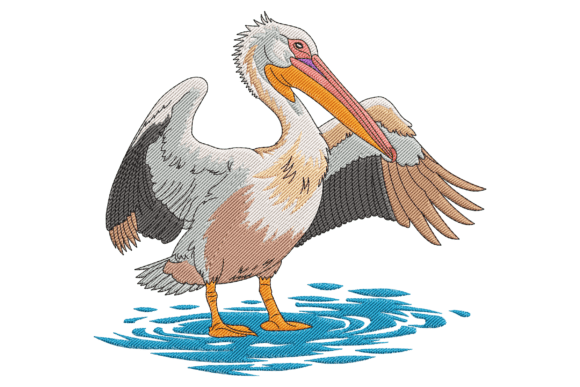
The immediate appeal of the Realistic Pelican is its balance between detail and stitch efficiency. Unlike many generic clip-art style files that rely on excessive running stitches to create definition, this design utilizes a mix of satin and fill stitches to give the pelican's beak and feathers a tangible texture. The mood it creates is vibrant yet grounded, making it suitable for coastal-themed home decor or playful custom apparel. However, as someone who has to consider production time and thread consumption, I noticed that the density in the wing areas is quite high. This suggests that while the finished product will look rich, you must pay close attention to your stitch density settings if you are working with delicate fabrics.
For an Etsy seller or small shop owner, the visual personality of this design is a strong selling point. It feels like a premium handmade product rather than a mass-produced item. The layout is compact enough to fit standard hoop sizes but detailed enough to command attention on a larger surface area. If you are building a brand around nature-inspired goods, this machine embroidery design fits seamlessly into a cohesive collection.
Testing the Real-World Application
To truly understand the value of the Realistic Pelican, I visualized several scenarios where this design would be used. Imagine preparing a custom embroidered tote bag for a beach-themed craft fair. The sturdy canvas of a tote provides the perfect foundation for the heavier fill stitches found in the pelican's body. In this context, the design holds up beautifully, offering a crisp image that stands out against natural linen or cotton backgrounds.
I also considered using this for sweatshirt embroidery. On a heather grey crewneck, the contrast of the thread colors would pop, creating a stylish update for streetwear brands. However, the stretch of the fabric requires careful consideration. If the design is too dense, it might cause puckering on the chest of a garment that needs to move with the wearer. For baby embroidery items, such as a bib or a onesie, the softness of the design is appealing, but you would need to ensure the back of the stitches doesn't feel scratchy against sensitive skin. A high-quality stabilizer becomes non-negotiable here to maintain the integrity of the embroidery project.
For holiday gifts or personalized presents, the Realistic Pelican offers a unique alternative to traditional motifs. Picture a kitchen towel set or a pillow cover featuring this bird; it adds an imaginative flair that feels curated. As a commercial embroidery asset, it allows you to offer unique personalized gift options without needing to commission custom artwork from scratch. The design assets provided allow for quick mockups, helping you visualize the finished product before committing to a full run.
Where Caution Is Required
Despite its strengths, there are specific situations where the Realistic Pelican requires extra care. Small hoop sizes can be problematic if the design is scaled down too aggressively. The fine details in the eye and the tip of the beak may lose clarity if the hoop size is insufficient, resulting in a muddy appearance. Always check the recommended dimensions before scaling.
Textured fabrics like heavy denim or thick fleece can sometimes interfere with the precision of the fill stitch. On dark fabrics, the lack of underlay in certain areas might show through, so you should test the design on scrap fabric first to see if a different color palette or additional underlay is needed. Additionally, curved surfaces like caps present a challenge. While the overall shape is organic, the flat nature of the digital file means that stitching it onto a structured cap might require adjustments to prevent thread breakage or shifting.
Dense stitch areas, particularly in the wings, can lead to thread buildup if not managed correctly. This is crucial for products that need frequent washing, such as aprons or towels. If the threads are packed too tightly, they may trap moisture or become prone to snagging over time. As a professional, I always advise reviewing the thread colors and ensuring they complement the fabric texture to avoid these common pitfalls.
Impact on Brand Value and Customer Trust
Using a high-quality digital embroidery file like the Realistic Pelican directly impacts your brand's perception. Customers today are savvy; they can tell the difference between a sloppy stitch job and a professionally executed design. When the stitching is clean and the details are sharp, it builds customer trust and justifies a higher price point for your small shop product line.
This design enhances the visual appeal of any item it adorns, turning a plain t-shirt into a conversation starter. For apparel decorators, having a library of reliable designs ensures consistency across your inventory. Whether you are creating an embroidered patch for a uniform or a decorative accent for a nursery, the professionalism of the output reflects directly on your business. It signals that you care about quality and detail, which is essential for retaining clients and growing your craft business.
Practical Designer Notes for Success
Before integrating the Realistic Pelican into your workflow, follow these practical steps to ensure success:
- Test on Scrap Fabric: Never skip this step. Stitch the design on a piece of the actual fabric you plan to use to check for puckering, tension issues, or thread breakage.
- Check Thread Color Contrast: Ensure the chosen thread colors stand out against the background. Test light and dark fabric backgrounds to see how the design adapts.
- Review Stitch Density: Inspect the file for overly dense areas that might cause fabric distortion, especially on lightweight materials.
- Confirm Hoop Size: Verify that your embroidery machine's hoop can accommodate the design without cropping important details.
- Use Proper Stabilizer: Select the right stabilizer for your fabric type to support the weight of the stitches and prevent warping.
- Inspect Small Details: Zoom in on the file to ensure tiny elements like the eye or beak tip are not lost during the digitizing process.
- Verify Licensing: Before selling finished items or the embroidery file itself, confirm the licensing terms to ensure you have the right to use it for commercial purposes.
In conclusion, the Realistic Pelican is a robust addition to any designer's toolkit. It offers the right blend of artistic flair and technical reliability for various applications, from tote bag design to luxury home textiles. By understanding its strengths and limitations, you can leverage this Embroidery design to create products that not only look beautiful but also perform well in the hands of your customers.